Гоночные автомобили
Автомобили, сконструированные и построенные специально для автомобильных соревнований — как для массовых гонок, так и для установления рекордов скорости. В отличие от серийных шоссейных спортивных автомобилей, гоночные имеют максимально облегчённый кузов, в котором отсутствуют многие важные узлы управления и безопасности. Данные автомобили, как правило, не допускаются на дороги общего пользования.
Škoda 733 Spyder '1974–75
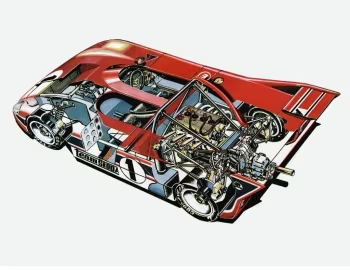
Holden Torana Race Car (LH) '1974–76

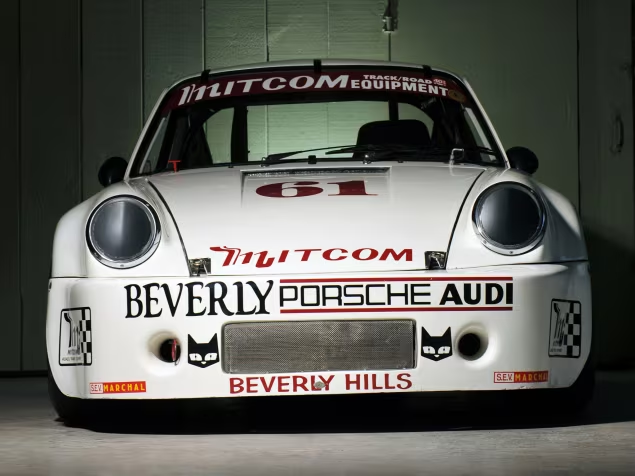
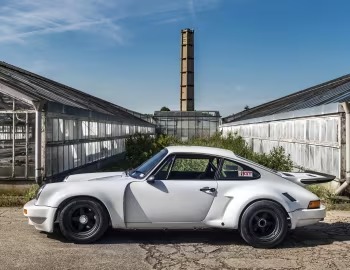
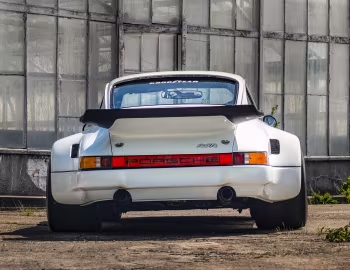


Porsche 911 Carrera RSR Turbo 2.1 (911) '1974–77Произведено 4 единицы


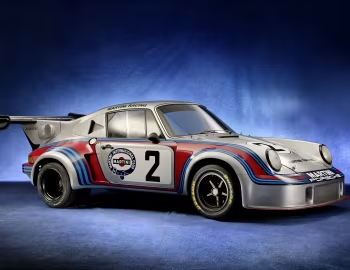
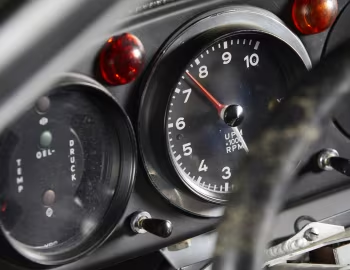
Первый гоночный автомобиль Porsche с турбонаддувом. Его двигатель объёмом 2.1 л, соответствующим регламенту гонок Мирового Чемпионата, развивал мощность 500 л.с.


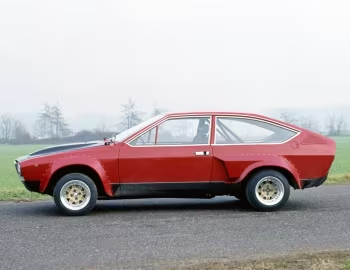

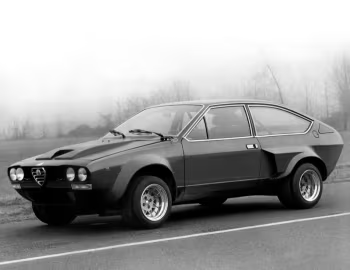
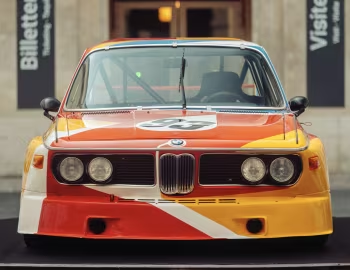
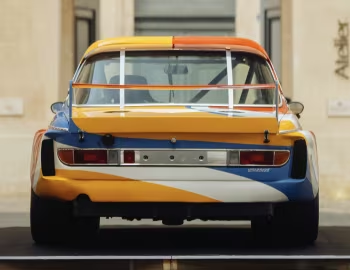
BMW 3.0 CSL Rennsport-Coupé Group 4 (IMSA) Art Car by Alexander Calder (E9) '1975Произведен в единственном экземпляре


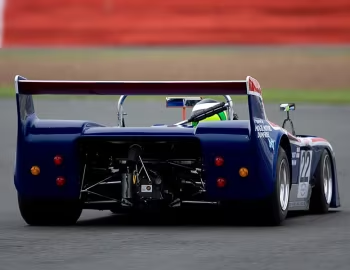
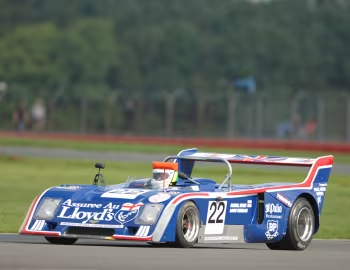
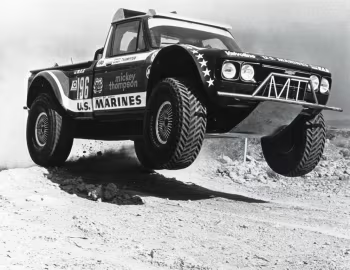
Chevy LUV Mickey Thompson Off-Road Racing Truck '1975
Dallara Bertone Icsunonove (128) '1975дизайн Bertone
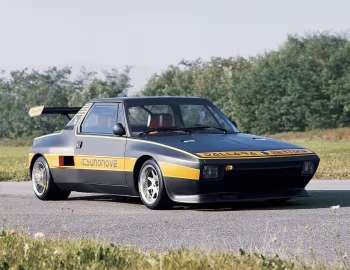


In 1975 the X1/9 (the Italian pronunciation of X1/9, ics uno/nove) was chosen by Dallara to enter the World Championship for Makes (in the Group 5 Special Production class). The Dallara Icsunonove featured a modified X1/9 engine with a custom 16v cylinder-head and fundamental suspension and body/monocoque alterations, the most obvious of which are the massively flared wheel-arches and the over-sized rear wing.
A lot of drag in the X1/9 comes off the rear window area. The Dallara rear wing was fixed at the roof line and is intended to ‘clean up’ the air coming off the back window and rear of the car… and not to generate huge down force. Dallara personnel have suggested it was their best guess at the time rather than as the result of lots of wind tunnel testing.
The Dallara X1/9 retained the original passenger compartment, with front and rear space frames extended from the bulkheads to mount engine/box and suspension components. The initial Dallaras were built to Group 5 racing regulations.
Almost every part of the car was redesigned with one goal: to outperform the opposition. Heart of the project was the 4 valve/cylinder fuel injected engine that in the 1300 cc version produced an astonishing 192bhp@9700rpm, while the 1600 cc had ~210bhp@~1000rpm less.
This was a silhouette formula allowing for maximum mechanical and weight reduction mods. – yet keeping the car’s production body outline. Few production components remained. To reduce weight, suspension uprights were cast from magnesium alloy, lower suspension arms were specially fabricated including lightweight radius arms.
The fuel tank was re-located in front of the front bulkhead along with the brake and clutch master cylinders. In the earliest versions, the wing panels were retained – although now made of lightweight glass fibre. (In other words they didn’t make one-piece front or rear clamshells). Dallara achieved around 260 kg weight savings over standard.
AutoWP.ru '2005–н.в.